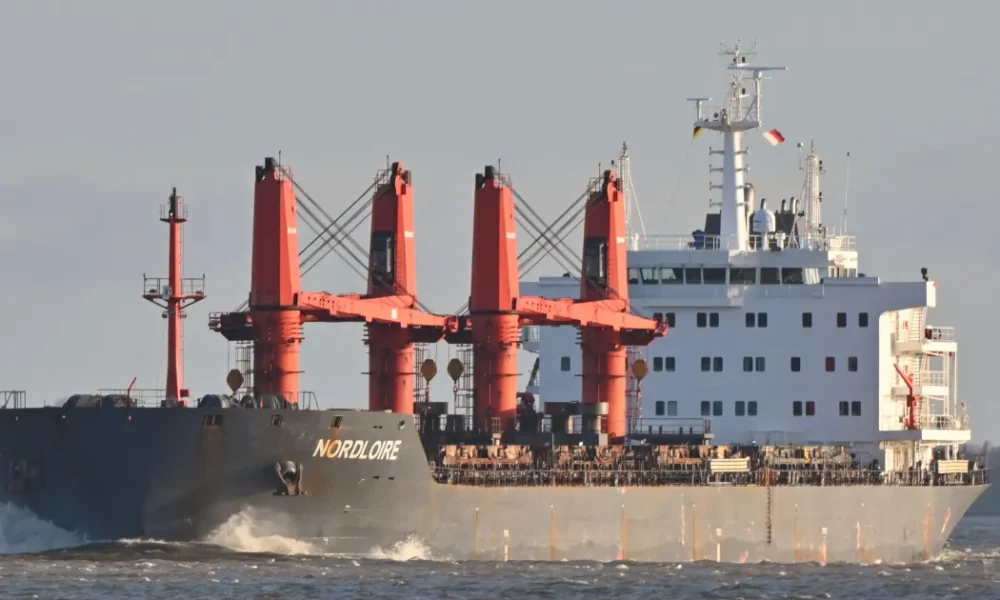
“What we’ve noticed is that the divers who stash cocaine in these ships in South America then remove it in Europe are increasingly Albanian, possibly with military training,” said Landi.
That marks another narco trafficking task taken over by Albanians, who already handle everything from cocaine production in Latin America to brokering shipments through Ecuador to overseeing sales on the streets of Europe.
“What we’ve noticed is that the divers who stash cocaine in these ships in South America then remove it in Europe are increasingly Albanian”
By managing every step in the business, the Albanians have been able to cut costs and put competitors out of business. “They now offer every service involved in drug trafficking,” said Landi, a colonel with Italy’s tax police who works as a narcotics liaison officer at the EU law enforcement agency Europol.
“Parasite” smuggling, as it is known, uses cargo ships and is growing because it avoids the need to bribe crew or customs officers. All it requires is a diver to unscrew the grill covering the “sea chest”, the recessed niche below a ship’s waterline where water is pumped in for cooling, and slip in waterproof sacks of up to 400kg of cocaine, along with Apple AirTags to trace the vessel.
“By the time the ship is waiting to enter a port in Europe a team of divers return at night using two to four electric sleds, which allow them to swim from a kilometre away,” said Landi, who runs the Italian Central Directorate for Anti-drug Services at Europol. “It’s not easy, the ship’s propellers may be turning to keep the ship stationary, which is why they get paid up to €300,000 to remove the drugs.”
The Albanian gang in Norway were exposed when custom officers found motors for underwater sleds in the car of one of the men as he entered the country before the operation. The officers let him go but tipped off police who tracked the gang and seized the cocaine after it came out of the water.
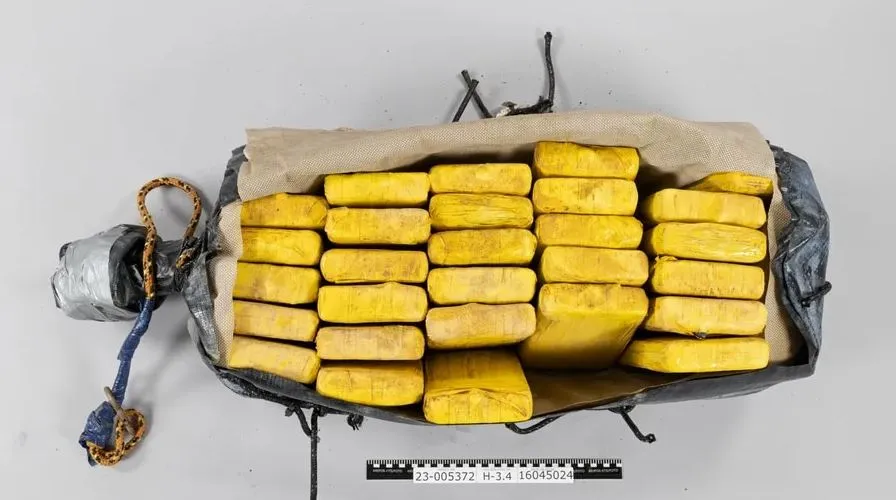
However, such arrests have not stopped more Albanian divers trying their luck, often in small ports where security is lax. “That means Finland, Norway, Sweden, Denmark and the UK. And if they are heading out to South America to position the drugs they will take three weeks to get there, flying via Mexico or Africa to avoid being spotted,” said Landi.
Europol has been central to the cracking of a series of encrypted phone networks used by traffickers, notably Sky ECC, which had 171,000 users when it was shut down in 2021. Thanks to the millions of messages captured and analysed, arrests are still being made, including ten suspected smugglers caught in Albania in August who were thought to be making $40 million from shipments into Hamburg and Rotterdam.
Other Sky ECC users took refuge in the United Arab Emirates when they realised their drug deals were no longer private, Landi said. The last big encrypted phone network to be cracked was Matrix, which provided police with more than two million messages last year.
Since then, criminals have got wiser, Landi said. “The Albanians, the Italian ’Ndrangheta mafia and the South Americans carefully vet who gets encrypted phones and they are using multiple platforms, each with few subscribers.”
He added: “If a trafficker messages a colleague using one platform, the colleague responds with another phone using another platform. Even we are monitoring one of the networks, we only see half the conversation. If three people are messaging each other they will use three platforms. With Matrix we were watching murders live, but now we are more in the dark.”
Landi said there might be about ten different encryption systems in use by narcos today, often devised by Dutch experts.
What experts do know is that the Albanians are now operating side-by-side with the ’Ndrangheta after the mob from Calabria — which first used them as manpower — taught them the tricks of the trade.
“The ’Ndrangheta acts as a kind of guarantor for the Albanians and the Albanians in return keep the Italians up to speed on their operations,” Landi said.
“The Albanians need to keep the peace with the ’Ndrangheta because there are now violent, up and coming gangs across the Balkans who would love to take their place,” he added.